Sticker Materials Explained: Vinyl vs. BOPP vs. Paper
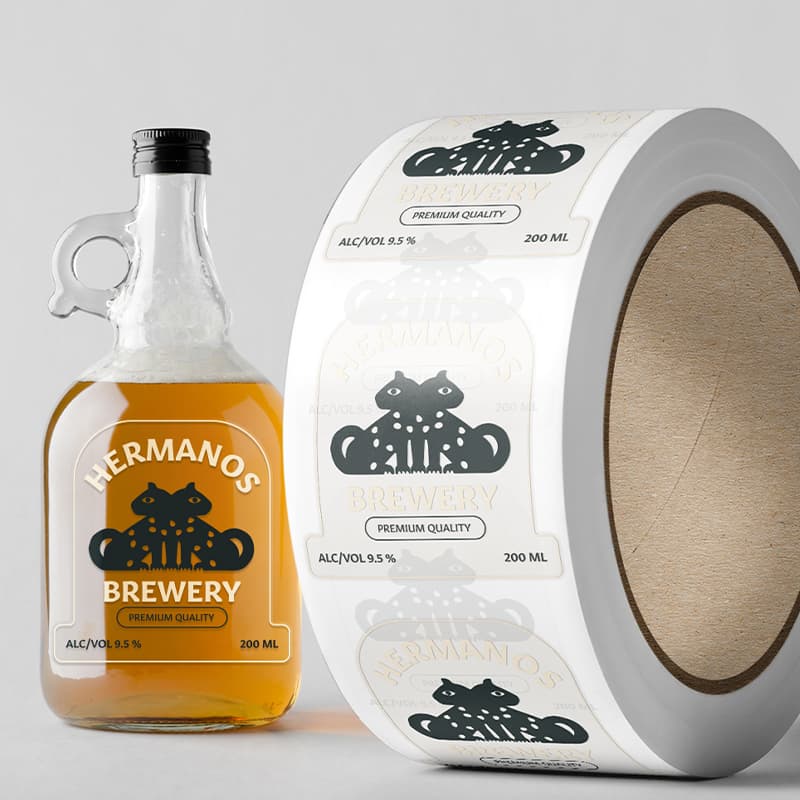
Choosing the right material for your stickers or labels is the most important decision you’ll make after finalizing your design. The material dictates where the sticker can live, how long it will last and how it handles the elements.
Here’s a breakdown of the most common materials.
Vinyl
Vinyl is highly durable. It’s a plastic-based material that is naturally flexible, waterproof and tear-resistant. They’re made with bubble free technology, meaning they’re a cinch to apply smoothly and go great on curved surfaces. You can choose a Removable Vinyl for things like laptop skins where you want a clean peel later, or Permanent Vinyl for items that need to last a long time.
Best for: Outdoor gear, car decals, water bottles and equipment.
Features: It handles UV rays and rain without fading or peeling.
BOPP
BOPP stands for Biaxially Oriented Polypropylene. It’s a thin, rugged and highly printable plastic film. Most custom roll labels are made from BOPP. This material doesn’t hold up well to UV rays, so it’s best for indoor use
Best for: Product packaging, beauty supplies and food containers.
Features: It’s resistant to oil and chemicals. If you’re labeling a bottle of beard oil or a jar of jam, BOPP won't get soggy or stained if a little product drips down the side.
Paper
Paper labels lack the plastic stretch of vinyl and BOPP, which makes them a great cost-effective choice for indoor use. It isn't waterproof, so if a paper label gets soaked, it'll eventually soften and tear.
Best for: Packaging seals, shipping labels and short-term event stickers.
Features: It has a classic, organic feel and is often easier to write on with a standard pen.
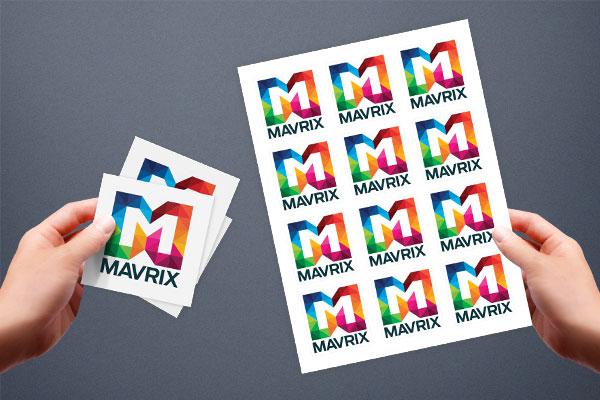
Specialty Materials for Unique Projects
Sometimes a standard sticker isn't enough. For those specific visions, we have a few extra tricks up our sleeve:
Static Clings
These use no adhesive at all, relying on static electricity to stick to glass. They’re great for temporary window signs or mirrors.
Eco-Safe Paper
Made from 100 percent wood pulp, these Eco-Safe Stickers are fully compostable and recyclable — a great choice for sustainable brands.
Holographic and Glitter
These materials catch the light to create a rainbow effect or a high-shimmer finish that will make your sticker extra special.
UV DTF Transfers
This technology lets you apply designs to hard surfaces with no visible sticker border, giving your items a printed-on professional look. Try these on clear glass jars or mugs.
Which One Should You Pick?
The decision usually comes down to the environment and the vibe you want to achieve. Use this quick checklist:
Need it to survive the dishwasher or rain? Go with Vinyl.
Labeling a professional product meant for a shelf?BOPP is the industry standard.
Want a no-sticker look on a mug or tumbler? Try UV DTF Transfers.
Prioritizing sustainability for your packaging? Choose Eco-Safe.
Need something for a temporary window display?Static Cling is your best friend.
Just need a simple seal for a paper bag or envelope? Paper is a smart, economical choice.
Selecting the right material means making your sticker look great for the long haul. Ready to get started? You can test out different materials and finishes directly in our editor to see which fits your vision best. Start creating now.